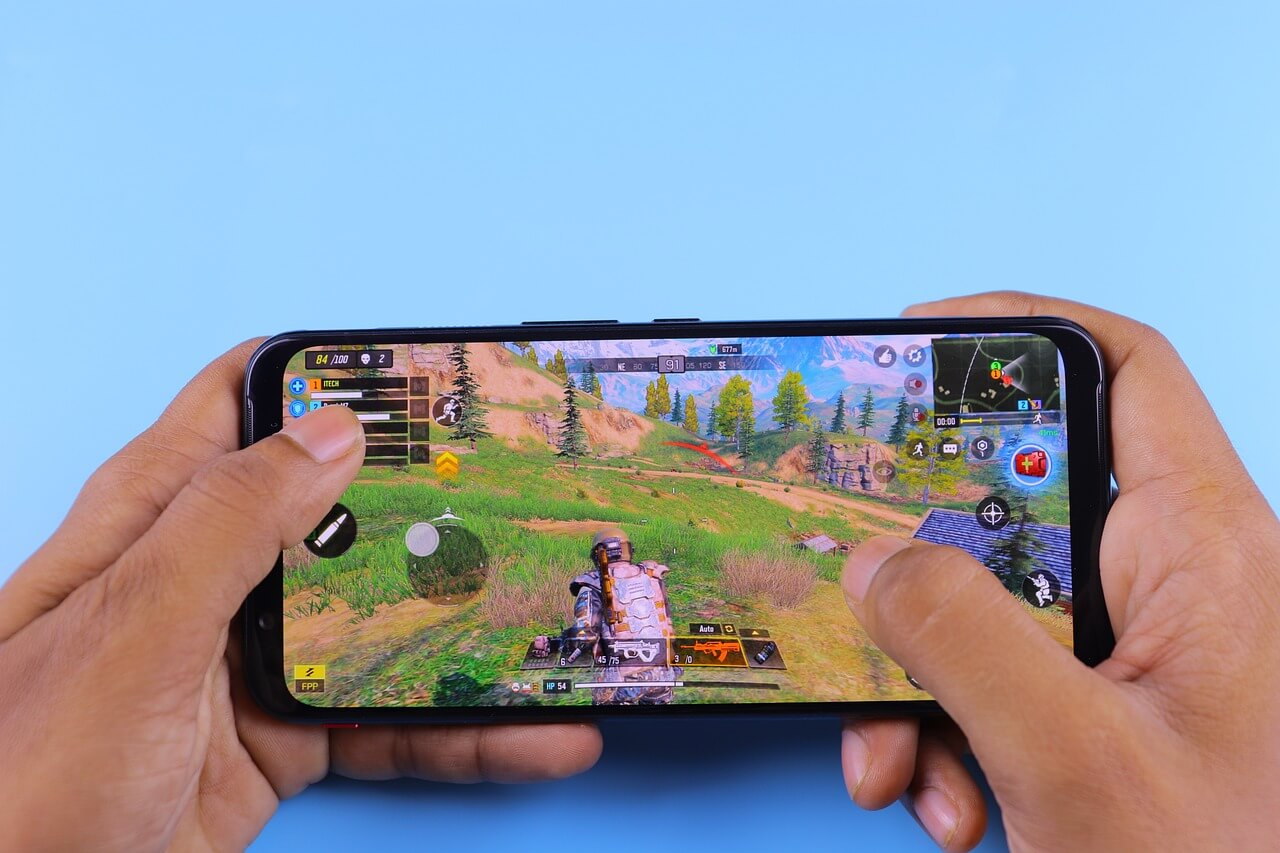
Most people probably can’t remember the last time they went a whole day without an app. It’s likely been a while. You wake up and check the weather. A message arrives before you have even made coffee. Later, you might use Google Maps to avoid traffic. You could order lunch. You might scroll through Instagram. You can check a match on 20 Bet. Or, you could play a game while waiting for the bus. None of this feels particularly futuristic anymore. It is simply what phones are for.
That was not always the case. Early mobile phones had a few basic tasks. They could make calls. They sent texts. They set alarms. They might even play one simple game. An Android phone today can replace many devices. It can act as a camera, wallet, map, music player, notebook, television, and even a laptop at times. The hardware makes all that possible, but apps are what make people want to use it.
Some apps become part of our routine almost immediately. A good banking app, for example, saves us from visiting a branch to transfer money or check a balance. A navigation app is more than a map. It warns us about traffic. It suggests different routes. Also, it helps us find places we might have missed. The simplest example of an app that helps us save time is the grocery store app.
Ironically, however, those applications which are the most helpful are not necessarily the most sophisticated ones. In fact, it is the simple notepad app that starts without delay and saves your grocery list. Or it could be a scanner which will convert a crumpled sheet into a legible PDF. Or it may even be a weather app that will tell you whether to carry an umbrella. These apps remain unnoticed, but they are the first applications that people reinstall on their new phones.
Too Many Apps, Too Little Space
The Play Store offers an enormous amount of choice, but that creates its own problem. It’s very easy to fill your phone with apps that seem useful for a few minutes.
Here are some examples:
- The user abandoned the language-learning app after three lessons.
- Someone downloaded the photo editor for one filter.
- The fitness tracker hasn’t recorded a walk since January.
Forgotten apps take up storage. They might also send notifications or run in the background. A quick clear-out every few months can make a phone feel much less cluttered. If you cannot remember what an app does, that is usually a strong sign that you do not need it.
Choosing new apps also requires a little common sense. Download numbers and nice screenshots look great. But they don’t show the full story. Recent reviews help a lot. They show problems. These problems are crashes, annoying ads, surprise charges, and update issues.
Permissions are worth checking too. A photo editor asking to access images makes sense. A calculator requesting your precise location is harder to explain. Many people hit “Allow” quickly to skip the setup screen. But taking a moment to read the request can stop unwanted access to personal info.
What Comes Next?
Android apps are already becoming more personal. Music services track our favorite songs. Maps recall our usual routes. Shopping sites suggest items from our past searches. AI will improve these suggestions. Still, some people may not like how much an app needs to know to be seen as “helpful.”
Still, the apps people keep using will probably remain the straightforward ones. Nobody really wants forty exciting features hidden behind six confusing menus. We want an app to open quickly, do the job we downloaded it for, and avoid bothering us afterward.
That may be the real reason apps have become so important. The best ones do not demand much attention. They quietly take away a small hassle from the day. Once we get used to this convenience, going back feels hard.