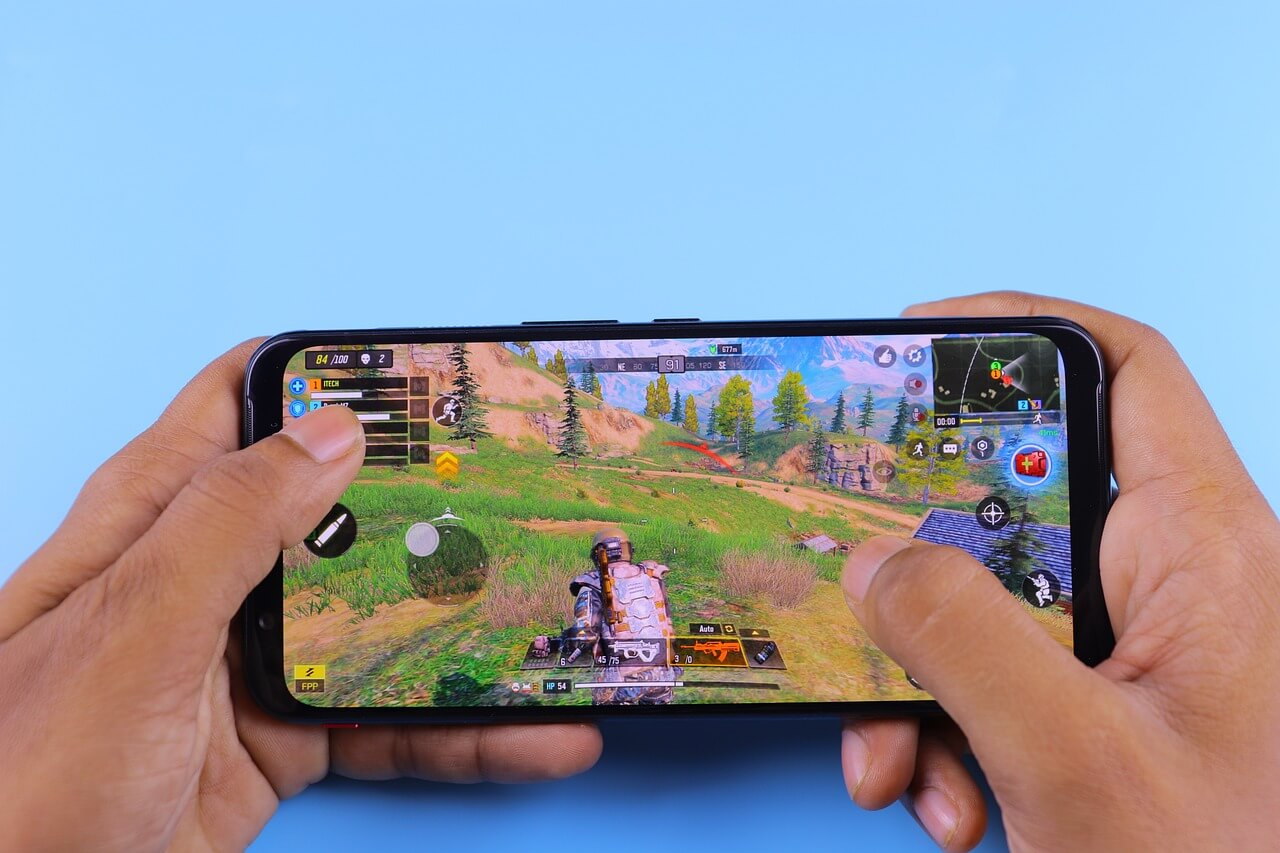
Smartphones changed everything. Years ago, playing games on a phone meant matching colored candies on a sluggish screen while waiting for the bus. Now? Pocket rocket devices pack multi-core processors, massive RAM allocations, and high-refresh-rate OLED displays that shame older desktop monitors.
Developers push mobile hardware to absolute limits. Console ports run smoothly on touchscreens. Battery tech keeps improving, letting players game for hours without melting their pockets.
Customization and Control
Android rules because you tweak everything. Want custom launchers? Done. Emulators for retro consoles? Easy side-load.
- Bluetooth controllers snap onto phones instantly.
- Graphic settings adjust on the fly.
- Custom ROMs squeeze extra frames out of older chips.
Entertainment on the Move
Downtime hits hard during a brutal commute or a boring doctor’s waiting room. A fast Android phone flips that misery into a quick escape. People want instant thrills without booting up a heavy PC rig.
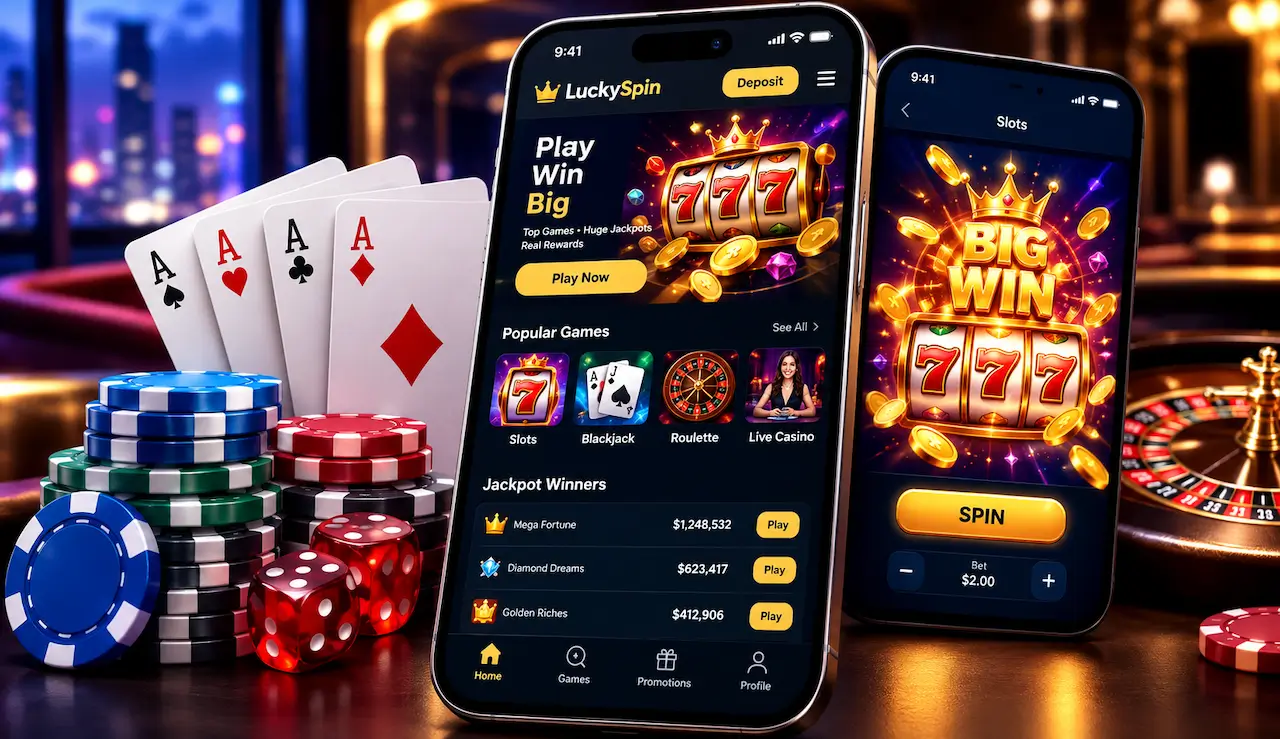
Gamers looking for high-stakes action on their phones love checking out entertainment hubs like Bizzo Casino for smooth mobile gameplay. It loads instantly on touchscreens—crisp graphics, quick rounds, zero lag. When your phone lives in your hand all day, having quick entertainment options right on the home screen makes sense.
Battery Life and Thermal Battles
Pushing a mobile processor hurts. Heavy 3D rendering cooks the back glass. Heat throttling ruins framerates right when a match gets intense. Smart users manage background apps, strip away bloatware, and sometimes snap on external cooling fans to keep performance locked at maximum speed during long sessions.
Mobile Esports Grind
Competitive gaming shifted hard to touchscreens. Massive multiplayer lobbies run hot. Thumb coordination needs to be razor-sharp. Tournaments fill up physical venues now. Fans scream for mobile squads just like traditional PC leagues.
The Emulation Goldmine
Old-school guys use Android like a portable time machine. Emulators pull classic ROMs right onto an OLED panel. Pixel art pops hard. Clip a physical gamepad onto the USB-C port. Boom. Pocket-sized retro machine ready to roll.
Cloud Streaming Reality
Local chips aren’t mandatory anymore. 5G networks beam heavy AAA games straight down to a pocket screen. Open-world epics run smoothly while sitting on a park bench. Input lag keeps dropping every single month as network infrastructure spreads.
Storage Headaches
Big games chew through storage space like absolute monsters. High-res textures and massive audio files fill up phone memory in no time. You end up staring at a storage full warning right when you want to download a new release. People who take mobile gaming seriously know 128 gigs isn’t cutting it anymore. They look for massive internal storage or snap in a microSD card just so they can keep a solid library on hand without constantly deleting things.
Audio and Headsets
Official app stores lock down too much stuff behind corporate gates, frustrating anyone who actually wants to own their hardware. Power users refuse those limits and bypass restrictions completely. Sideloading experimental indie builds, unreleased betas, or custom community patches opens up an entirely different tier of software freedom. Wrestling with manual file permissions, tweaking hidden settings, and flashing custom configuration files gives you total control over the operating system environment instead of letting tech giants dictate what you can install on your own device.
The APK Underground
Official app stores lock down too much stuff behind corporate gates, frustrating anyone who actually wants to own their hardware. Power users refuse those limits and bypass restrictions completely. Sideloading experimental indie builds, unreleased betas, or custom community patches opens up an entirely different tier of software freedom. Wrestling with manual file permissions, tweaking hidden settings, and flashing custom configuration files gives you total control over the operating system environment instead of letting tech giants dictate what you can install on your own device.