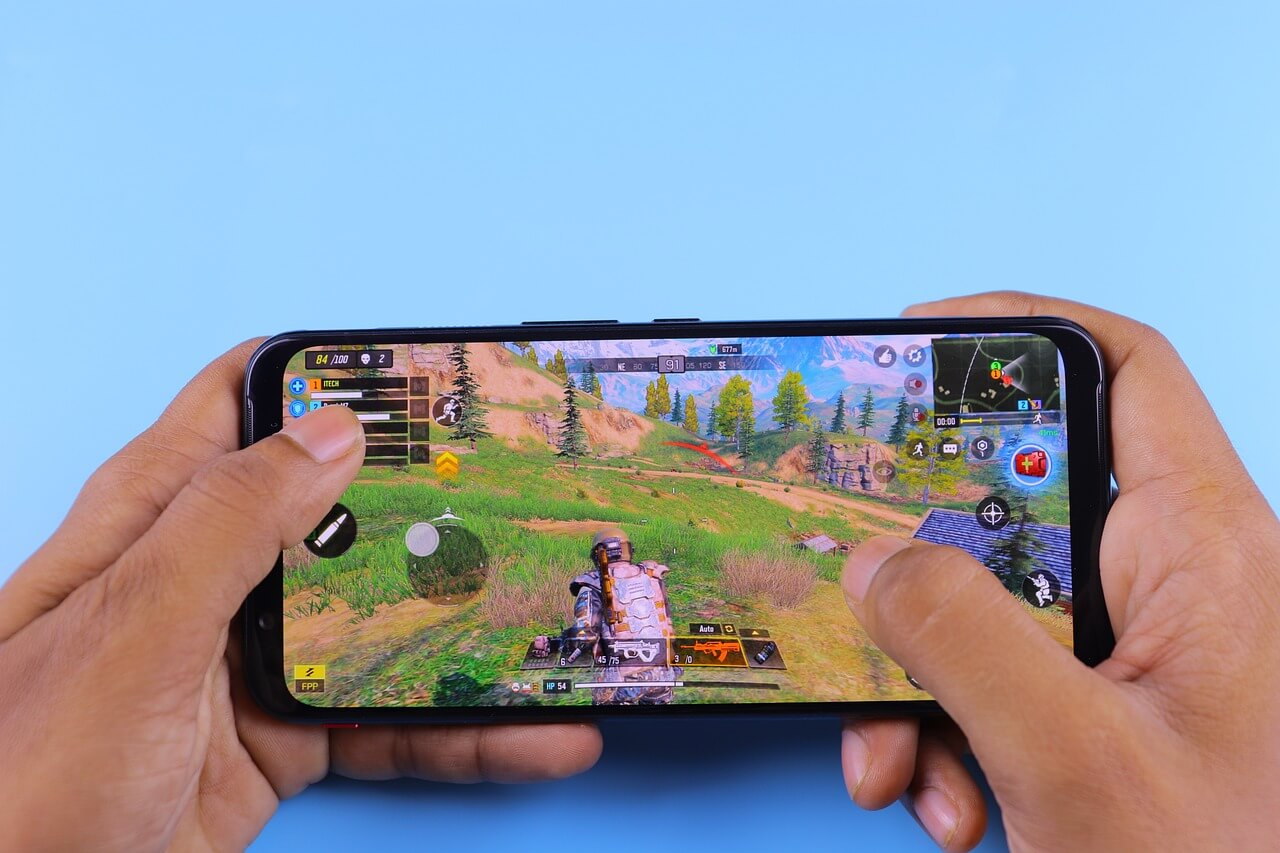
The concept of an infinitely variable gaming experience is incredibly appealing. On paper, it sounds like the ultimate formula: a single purchase that yields endless hours of fresh entertainment. In reality, however, the execution is more complicated. While some titles offer genuine gameplay variety with each playthrough, others merely present a beautifully disguised loop of repetition.
To understand which mechanics truly create a unique experience each time you hit start, we must analyze the engineering behind the variety and identify where developers are simply selling an illusion.
Defining the Dynamic Playthrough
When we say a game “changes with every playthrough,” we usually mean that restarting the game won’t duplicate your previous experience. However, we should distinguish whether the game itself is fundamentally changing or whether the developers are just tweaking variables within a static framework.
True variety operates across three core layers:
- Procedural Generation: Randomly building environments, item distribution, or enemy spawns.
- Systemic Depth: Allowing overlapping gameplay mechanics to interact organically, creating unscripted moments.
- Narrative Choice: Altering the storyline based on player decisions.
The more these layers influence the actual gameplay loop, the more alive the game feels. The issue is that many modern projects rely on just one of these layers while marketing the product as entirely dynamic. As a result, players quickly begin to spot the underlying patterns.
A useful comparison can be found outside traditional gaming. Even platforms such as 22 Bet depend on variables, user decisions, and changing outcomes rather than a single fixed sequence. The key difference is that a well-designed game turns those variables into meaningful gameplay, giving players reasons to experiment rather than simply repeat the same actions.
The Four Approaches to Replayability
Designing a dynamic game is not limited to a single genre. Developers leverage distinct methodologies to achieve varied gameplay loops:
- Roguelikes: Introduce variety by randomizing environments, upgrades, and item synergy.
- Immersive Sims: Create variety by giving players massive sandboxes with intersecting physics and AI systems.
- Build-Driven RPGs: Offer variety by completely altering how the player’s character interacts with a static world.
- Narrative-Driven Games: Change the sequence of events, character fates, and endings based on choices.
Roguelikes: Variety Through Randomness
Titles like Hades or The Binding of Isaac are the definitive examples of randomness at work. Every single run features a different layout of rooms, distinct enemy compositions, and unpredictable upgrade paths.
The advantage here is massive replay value. The downside, however, is a sense of predictability. Once you spend enough hours with the game, you begin to see the structural templates behind the generation algorithm.
Immersive Sims: Variety Through Intersecting Systems
Games like Dishonored or Prey approach variety from a completely different angle. The map design remains identical from one playthrough to the next, but the methods available to navigate it change entirely.
Players can opt for absolute stealth, aggressive combat, or creative environmental manipulation. The organic interaction between the game’s artificial intelligence and its physics systems creates entirely unscripted, highly unique scenarios.
RPGs and Gameplay Cycles: Variety Through New Game Plus
In the Dark Souls series, a second playthrough does more than just scale up enemy health bars; it serves as a tool to recontextualize the entire world. After hitting the credits, the game doesn’t simply reset. Instead, it launches the next cycle, where familiar locations demand a much higher level of caution and tactical precision.
In a New Game Plus (NG+) cycle, enemies and bosses hit harder, combat balance shifts, and reward payouts increase. More importantly, certain entries in the series introduce entirely new item variants, rare rewards, and specific mechanical elements that are completely inaccessible during a first run. Replayability is woven directly into the lore and the cyclical nature of the narrative.
Story-Driven Games: Variety Through Choice
Cinematic titles like Detroit: Become Human offer intricate, branching narrative webs with dozens of potential paths.
Unfortunately, this is often where the illusion of choice is most apparent. In many mainstream narrative games, key plot points remain fixed regardless of your actions; developers simply swap out the minor details surrounding those events. True narrative flexibility remains exceedingly rare.
Where Variable Gameplay Becomes a Mirage
The most frustrating gaming experiences occur when a title promises a uniquely tailored adventure but delivers a highly repetitive grind. This issue is particularly prevalent in big-budget, open-world AAA games. These titles often overwhelm players with icons and activities, but offer very little substance.
Signs of artificial variety include:
- Running the same mission templates wrapped in slightly different visual assets.
- Dialogue choices that lead to the same narrative conclusion.
- Repetitive combat or puzzle mechanics that fail to evolve.
These design choices build a sense of scale rather than depth. The player is constantly introduced to “new” locations or quests, yet cannot shake the feeling that they are doing the same thing over and over.
Why Developers Lean on Automation
The industry’s reliance on these mechanics comes down to efficiency: it dramatically extends player engagement time without requiring the studio to build entirely new assets from scratch. A single, well-engineered set of core mechanics can support dozens of playthroughs.
Procedural generation is significantly cheaper than hand-crafting individual levels, and systemic sandboxes allow developers to stretch their content naturally. On the positive side, these systems can generate highly memorable, emergent moments that a human designer could never explicitly script.
Looking Ahead
The gaming industry is steadily migrating toward hybrid development models. The most promising current projects combine carefully hand-crafted levels with adaptive, systemic layers running over them.
While experiments with generative AI could theoretically supercharge future game variability, that technology remains an unrealized concept rather than a practical tool. A healthy dose of skepticism remains entirely justified: randomness cannot replace intentional, thoughtful level design. Without a rock-solid mechanical foundation, variety quickly loses its charm.
Summary
Games that claim to change with every playthrough only succeed when that adaptability is baked directly into the core systems, rather than slapped on as a marketing buzzword.
The finest titles offer distinct situations that demand fresh problem-solving. The weakest simply shuffle the same handful of ingredients and call it a new meal. When hunting for your next highly replayable game, look past the promotional promises and focus entirely on the depth of its mechanics. That depth is what determines whether your next run will genuinely feel like a brand-new experience.