Phones live in pockets, get tossed on beds, and get checked constantly throughout the day. Android took over the mobile market, stretching from cheap budget burners to folding glass screens that cost a small fortune. Mobile gaming grew up messy, loud, and fast. We traded tiny pixel blocks for real engines that handle crazy physics without stuttering or freezing up.
Power in Your Hand
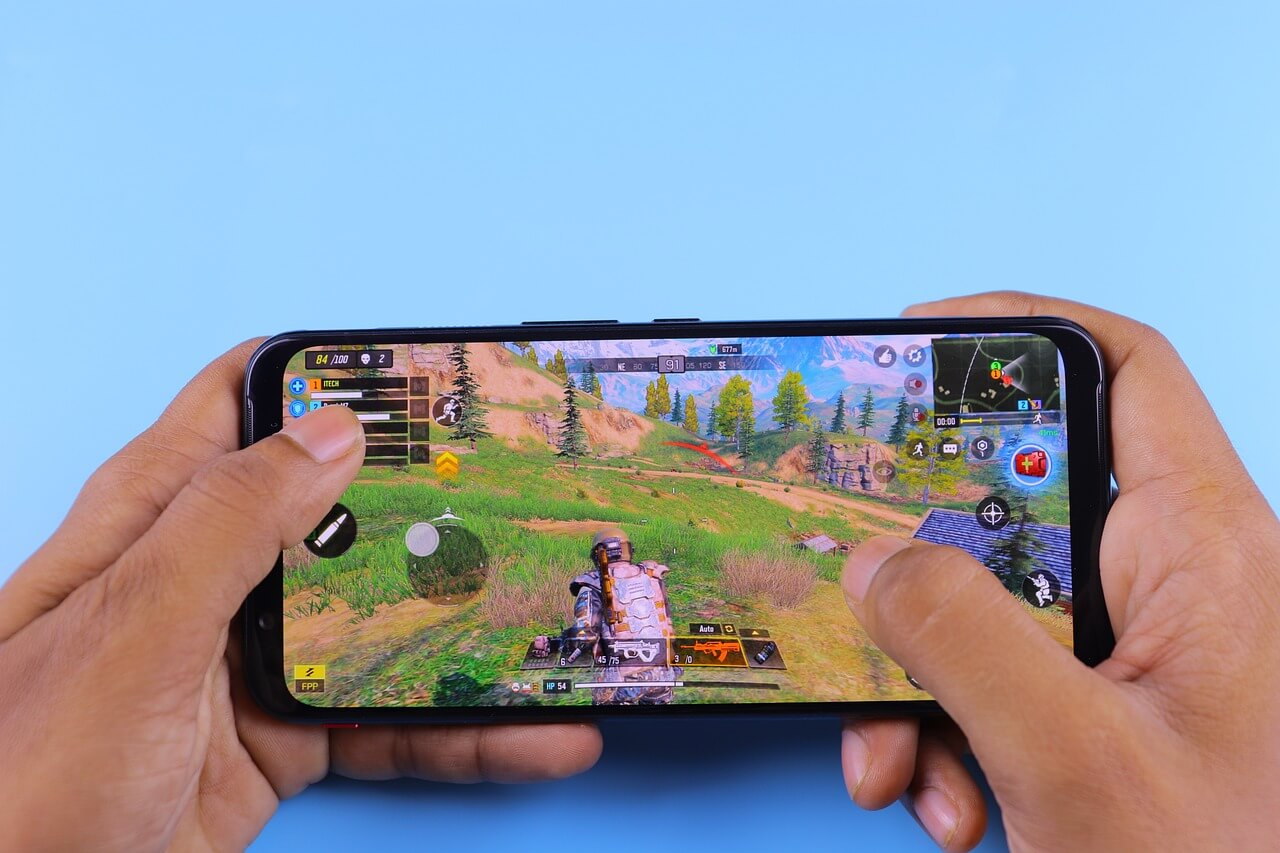
Phone makers stopped treating games like a total afterthought years ago. They crammed liquid-cooling chambers and heavy RAM into these slim glass slabs, turning ordinary handsets into serious pocket monsters. Studios ditched junk puzzle apps and started dropping proper 3D action directly onto touchscreens. High refresh rates mean zero lag when you swipe across the glass, and cloud apps let you stream full console games while riding the bus.
Quick Gaming Fixes
Sometimes you just want to waste ten minutes without grinding a massive fifty-hour role-playing campaign. Waiting in line at the grocery store or sitting in a quiet waiting room calls for fast entertainment that doesn’t demand your entire soul or focus.
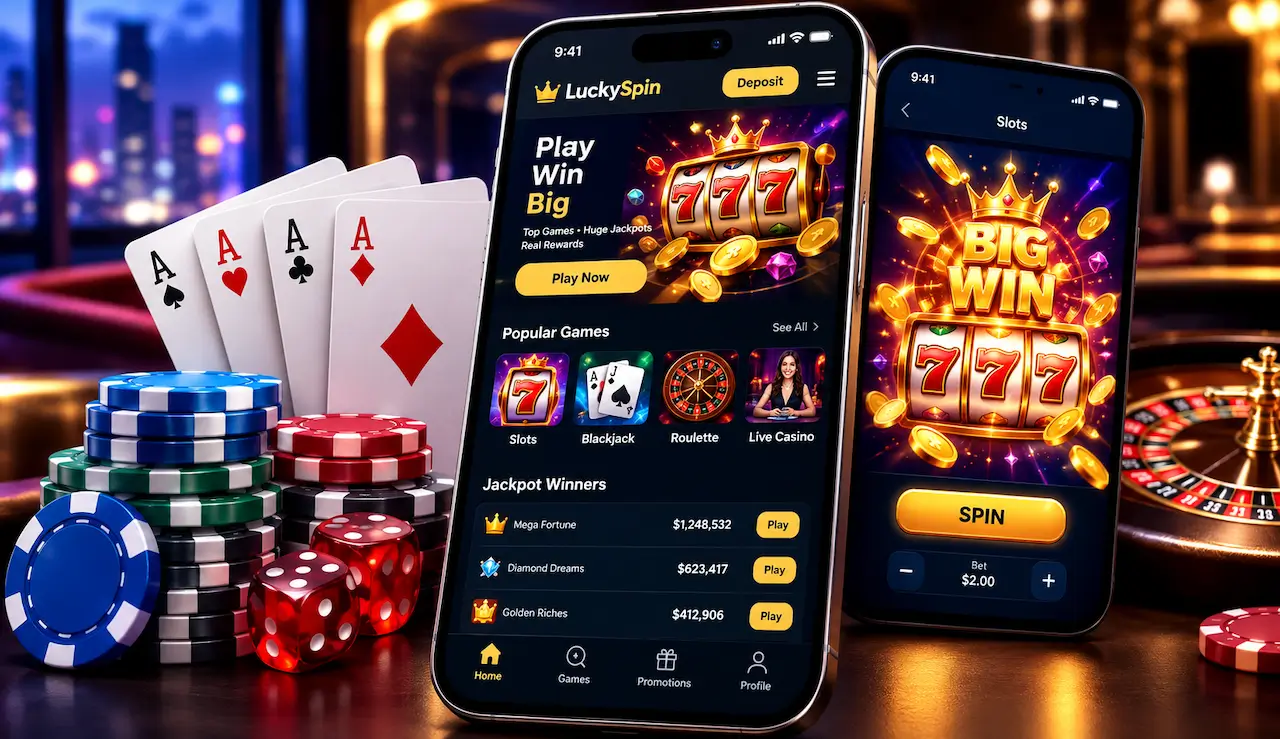
When you want fast fun without a heavy learning curve, checking out Bizzo Casino right through a mobile browser gives you instant action with zero lag. It fits the fast pace of phone use, letting you chill with smooth layouts and quick thrills right in your palm without clogging up your device storage.
Touchscreen Controls
Playing games on a flat piece of glass used to feel completely awful. Smashing your thumbs down with zero tactile feedback usually ended in missed jumps and pure frustration. Clip-on physical controllers changed everything by adding real buttons, and developers finally figured out touch layouts that don’t make your hands cramp into painful positions.
Gaming Anywhere
Competitive gaming used to mean sitting indoors with a heavy headset plugged into a wall. Now, fast mobile data networks let you jump into chaotic multiplayer matches right on the street or while waiting for an elevator. Connection drops still happen when you hit a dead zone in the subway, but playing real team shooters on a pocket device feels wild and completely changes daily routines.
Battery and Heat
Pushing silicon to the absolute max always comes with a price tag. Run a heavy 3D game for an hour, and your phone turns into a hot brick that drains its battery down to zero in record time. Carrying a portable power bank became a completely standard habit for heavy users, but having a massive arcade right in your pocket makes the constant battery anxiety totally worth it.
Pushing Pixels on Tiny Screens
Remember when phones choked on basic puzzle loops? Now studios somehow cram full lighting engines and heavy 3D models straight into a pocket chip. You walk down the sidewalk while dynamic shadows shift across realistic virtual grass. The jump over the last ten years is straight-up wild, turning pocket text-machines into brutal little gaming rigs.
Audio That Actually Slaps
Most people play games on mute or use cheap gas-station earbuds, totally missing half the work studios put into sound. Developers started building spatial audio loops tuned specifically for tiny speakers and mobile headsets. You hear virtual footsteps creeping right behind your left ear or wind howling through a digital canyon. Good sound hooks your brain instantly, making a five-inch glass slab feel like a massive home theater.
Streaming Heavy Code
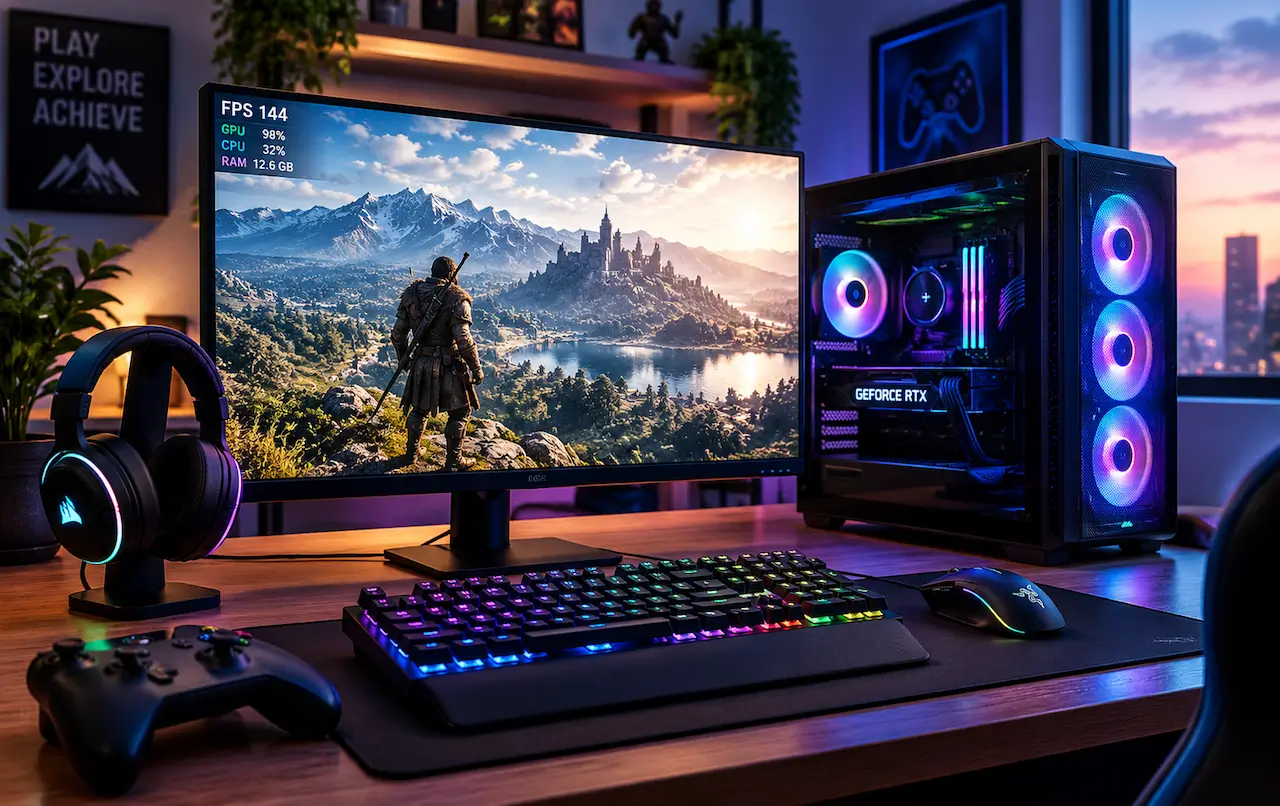
Storage limits used to lock phone users out of proper games because nobody had space for massive files on a standard device. Cloud streaming completely bypassed that garbage by letting remote servers melt their GPUs while beaming the video feed straight to your glass screen. As mobile data gets faster, playing full desktop games on a cheap budget phone stops looking like sci-fi and just becomes normal routine.