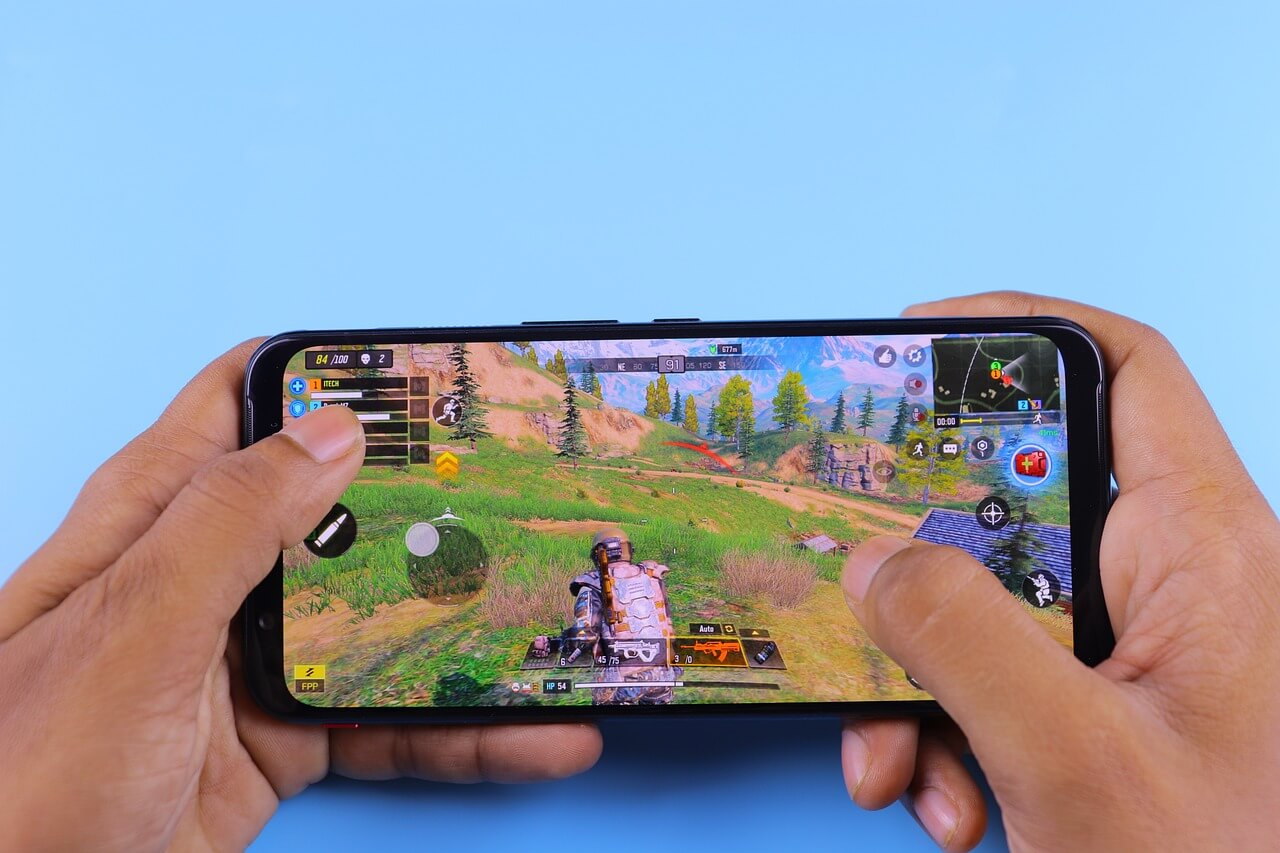
Open an online casino on your phone today, and you may barely notice whether you are in an app or a browser. That is how far mobile technology has come. The buttons are large, slots fill the screen properly, live tables stream in high definition, and the cashier is usually only a few taps away. Still, underneath that shiny interface, apps and mobile websites work rather differently.
Which one makes more sense for online casino games? The slightly annoying answer is: both can be excellent. The interesting answer is that the mobile browser has become much stronger than many people realize.
Native apps still have a comfort advantage
A native casino app is software developed specifically for an operating system such as Android or iOS. That gives developers closer integration with the phone itself. Apps can make good use of biometric authentication, notifications, and other device features.
There is also the simple convenience factor. An icon sits on the home screen. Tap it, and the casino opens. No browser tab hunting required.
For frequent users, that small difference matters. Apps can also store certain resources locally, which may make navigation feel particularly responsive. Updates distributed through an official app store can happen automatically too.
But casino apps face an unusual obstacle: gambling is heavily regulated inside the major app stores.
Apple’s current App Store rules require real-money gaming apps to hold the necessary licences, remain geographically restricted to authorised locations and be offered free of charge. Google Play has similar requirements. Operators must be appropriately licensed, prevent underage access and block users in territories their licences do not cover.
In other words, building the technology is only half the job.
The browser has quietly become very good
A decade ago, choosing the browser often meant accepting the inferior version. Tiny menus, awkward scrolling, and games that seemed designed for a screen twice the size. Thankfully, that era belongs in the same museum as phones with physical keyboards.
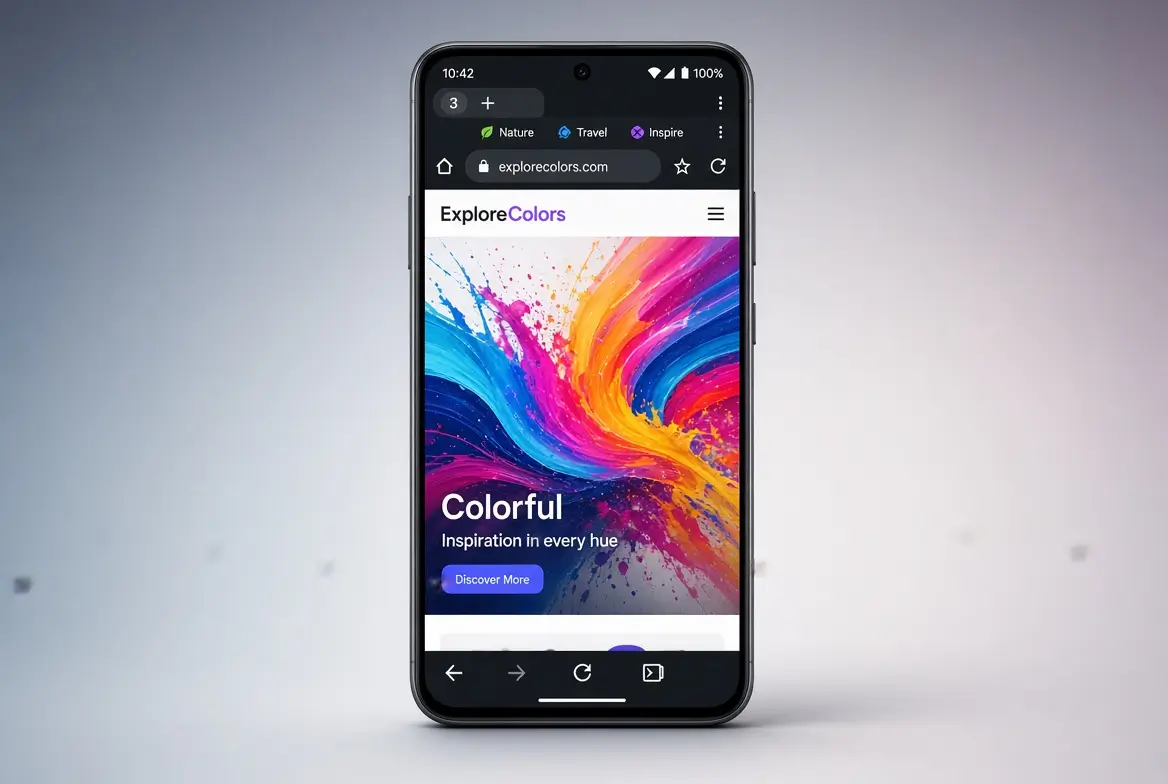
Modern casino games are commonly designed around web technologies that adapt to different screens. A well-optimized mobile site can therefore run directly through Safari, Chrome, or another modern browser without requiring a separate installation.
Progressive Web Apps, or PWAs, blur the distinction even further. They can be installed from compatible browsers, receive their own home-screen icon, and launch in a standalone window that feels remarkably similar to an ordinary app. Service workers can also cache selected resources locally.
That makes the old “app versus website” battle considerably less dramatic.
HellSpin shows why the browser approach makes sense
The platform HellSpin is an interesting example of this mobile-first direction. Information published about its mobile platform describes a browser-based experience that works across smartphones and tablets without requiring players to install separate software. Games, account functions, and other main sections remain accessible through the mobile interface. For users, the attraction is obvious: open the browser, sign in, and everything is there. There is no large download occupying phone storage and no separate application to maintain. It is a good illustration of how responsive web technology can make the traditional distinction between “casino app” and “casino website” surprisingly small.
Browsers win on universality
The biggest strength of the mobile browser is wonderfully boring: it works almost everywhere.
A casino operator can update its website centrally. The next time a player visits, the newest version loads. There is no waiting for thousands of users to install an update.
It also avoids storing another full application on the device. That may not impress someone carrying a flagship phone with enormous storage, but owners of older or inexpensive devices might appreciate it.
There is another practical advantage. Switching devices is simple. Open the same site on another compatible phone, authenticate yourself, and continue from there.
So which technology wins?
For people who repeatedly use the same platform, a polished native app can still provide the neatest experience. Fast access, biometric features, and deeper integration with the operating system are genuine advantages.
For occasional users, however, the mobile browser is increasingly difficult to beat. There is nothing substantial to install, compatibility is broad, and modern responsive interfaces can deliver very similar gameplay.
The surprising winner, then, is not really one technology. It is convergence. Native apps are becoming smoother, while browsers increasingly behave like apps. The best casino technology in 2026 is simply the one you stop noticing while using it.